


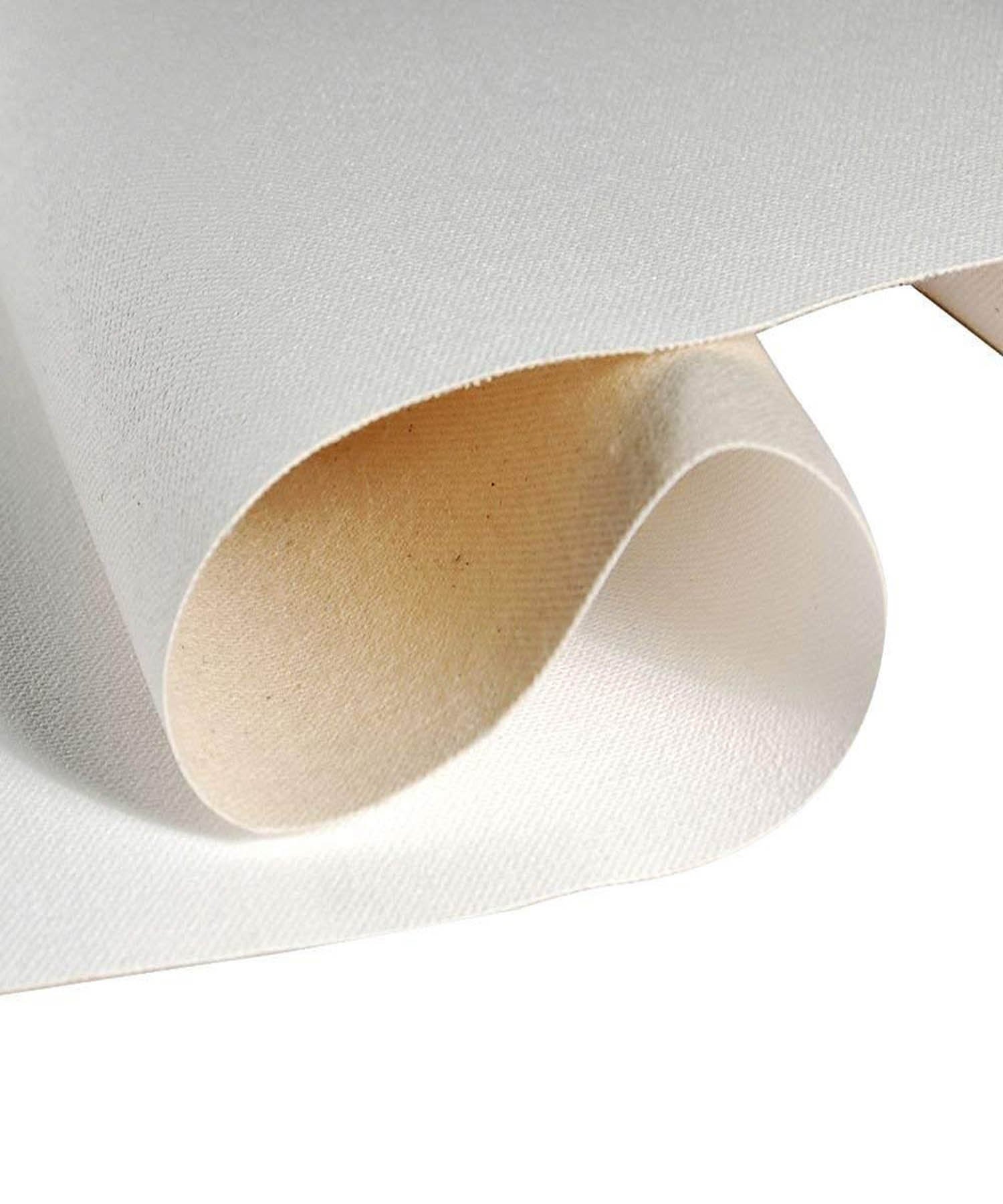
Canvas Print
₹85.00Current price is: ₹85.00. Original price was: ₹100.00.
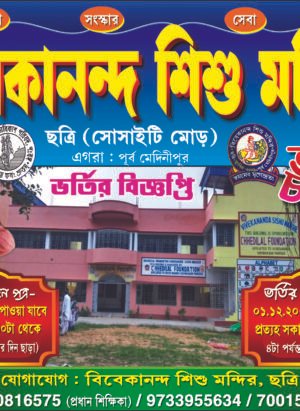
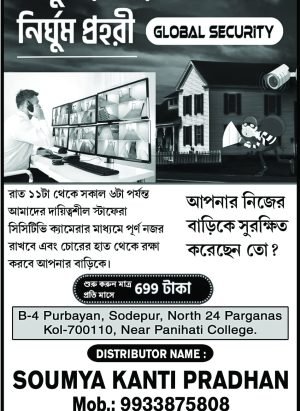
Flex Printing is a large-format digital printing method used to create durable, weather-resistant banners, hoardings, posters, signboards, backdrops, and promotional displays. It offers vibrant colours, sharp image quality, and cost-effective solutions for both indoor and outdoor advertising. Ideal for businesses, events, exhibitions, and branding, flex prints are available in custom sizes with high-quality finishing.
Canvas Print (380gsm) Per sq. ft.
Flex printing is a popular large-format digital printing technique that uses flexible, durable PVC (polyvinyl chloride) substrate material to create outdoor and indoor signage, banners, hoardings, and display stands.
Key Material Types
- Frontlit Flex: Designed for light sources aimed directly at the front of the banner. Used for non-illuminated billboards, wall wraps, and standard banners.
- Backlit Flex: Translucent material designed for lightboxes and illuminated signages where light shines through from behind.
- Blockout Flex: Opaque material with a black middle layer that prevents light penetration, allowing high-contrast double-sided printing.
- Star Flex / Glossy Flex: High-grade flex material providing richer color saturation, higher durability, and a glossy premium finish.
Technical Specifications & Best Practices
| Parameter | Recommended Specification |
| Color Mode | CMYK (Required for accurate print color output) |
| Resolution | 72 to 150 DPI for large outdoor banners; 300 DPI for small indoor banners viewed closely |
| File Formats | TIFF, PDF, EPS, or high-resolution JPEG |
| Bleed Margin | 1 to 2 inches extra margin for eyelets, stitching, or framing |
Main Advantages
- Weather & UV Resistance: Withstands rain, sunlight, and wind without rapid fading or degradation.
- Cost Efficiency: Significantly cheaper than rigid acrylic, metal, or vinyl graphics for large surface areas.
- Flexibility & Portability: Lightweight, easy to roll, transport, and install using eyelets, ropes, or metal frames.
Common Applications
- Outdoor Advertising: Billboards, hoardings, highway banners, and shopfront signboards.
- Events & Promotions: Stage backdrops, exhibition booth graphics, roll-up standees, and party banners.
Retail & Corporate: Sales promotions, direction boards, and temporary announcements.




Reviews
There are no reviews yet.